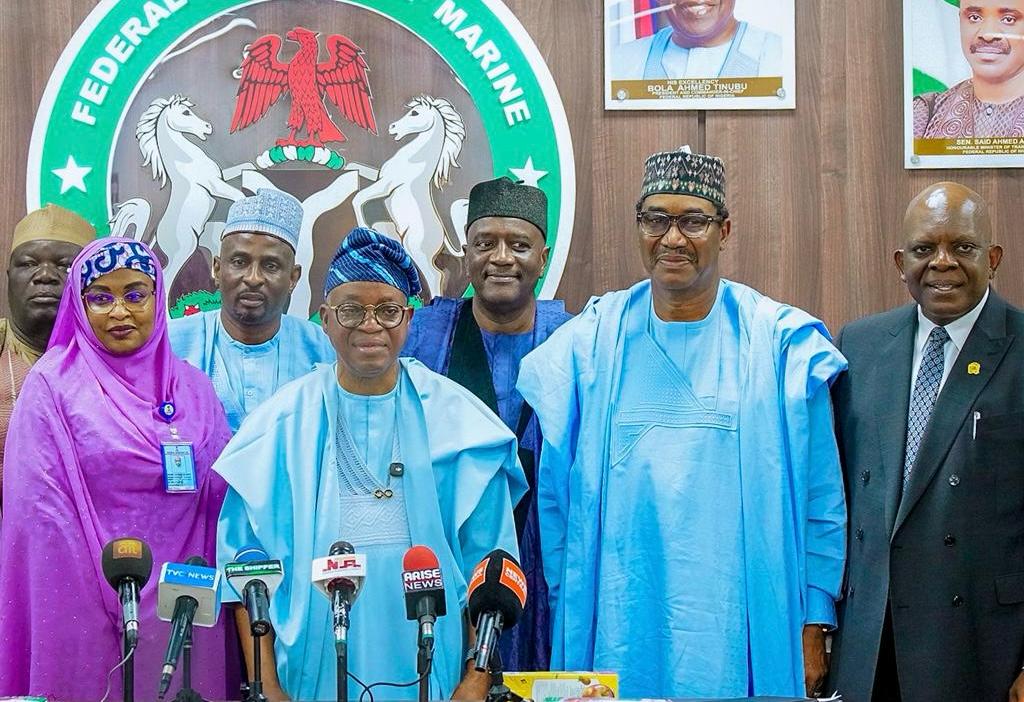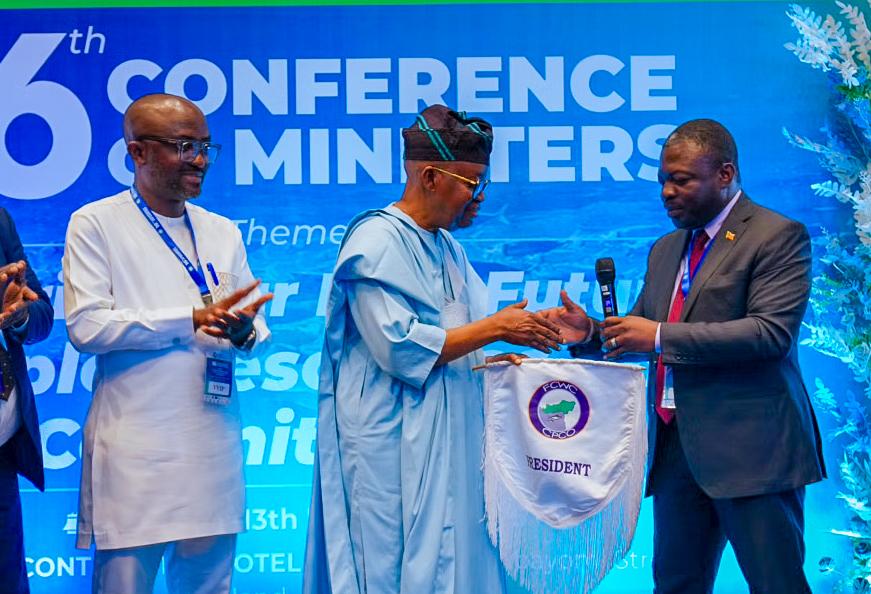
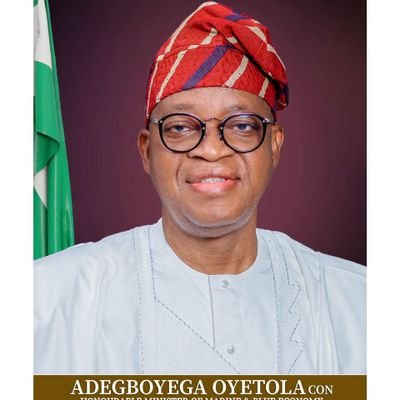
Nigeria is seeking an end to the $1.5billion war risk insurance premiums on Nigerian-bound vessels. Its Minister of Marine and Blue Economy, Adegboyega Oyetola, warned that the outdated surcharge has drained an estimated $1.5 billion from the economy in recent years despite zero piracy incidents in the country’s waters since 2021.
“Nigeria has earned the right to be delisted from global maritime high-risk classifications. The narrative of piracy and armed robbery on our waters no longer reflects present realities,” he said.
The minister highlighted sweeping reforms since the creation of the Marine and Blue Economy Ministry in 2023, including record revenue growth. According to him, agency-generated revenues more than doubled from N700.79 billion in 2023 to N1.39 trillion in 2024 — the highest in Nigeria’s maritime history.
He spoke at the 3rd Annual Maritime Lecture of the Maritime Reporters Association of Nigeria (MARAN) in Lagos, Oyetola, represented by his Special Adviser on Media and Communications, Dr. Bolaji Akinola, said the continued imposition of the premiums by global underwriters was “unjust, detrimental to competitiveness, and no longer reflective of Nigeria’s security realities.”
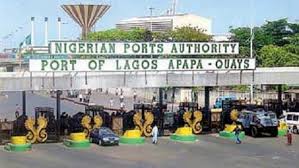
He listed other achievements such as ending the decades-long Apapa gridlock, launching Africa’s first National Policy on Marine and Blue Economy, securing Federal Executive Council approval for the modernisation of Lagos and Tin Can Island Ports, and advancing plans for Eastern Ports upgrades. He also cited the unlocking of the long-stalled Cabotage Vessel Financing Fund to support indigenous shipowners, and the inauguration of a National Flag Carrier Technical Committee to restore Nigeria’s presence in global shipping.
On food security, Oyetola said the government has boosted local fish production, supported aquaculture in riverine communities, and tightened inland waterways safety through new regulations, patrols, and stricter passenger vessel standards.
Despite these strides, he lamented that international insurers, particularly Lloyd’s of London, have yet to revise their risk assessments.
“These charges, based on outdated perceptions, continue to penalise our shippers and consumers. Nigeria has made sustained investments in maritime security, particularly through the Deep Blue Project, which integrates air, land, and sea assets for surveillance and interdiction. The world has acknowledged our progress, but the premiums persist,” he said.
Oyetola recalled that the International Maritime Organisation (IMO) and the International Maritime Bureau had commended Nigeria’s security achievements, with the country already delisted from the International Bargaining Forum’s high-risk zones. He assured stakeholders that the government, working with NIMASA, is engaging BIMCO, the International Chamber of Shipping, and Lloyd’s with empirical evidence to press for Nigeria’s removal from the list.
He added that alongside diplomatic lobbying, the government would continue to strengthen security, deepen regional cooperation under the Yaoundé Architecture, and develop local maritime insurance to retain value within the economy.
Declaring the MARAN lecture open, the minister urged participants to contribute practical recommendations that would enrich government policy.
“In just two years, Nigeria has shown what is possible with vision, determination, and partnership. But much more lies ahead.
“The government is committed to securing our waters, modernising its ports, empowering local operators, expanding fisheries, and ensuring that the blue economy becomes a pillar of growth, jobs, and sustainability for generations to come,” he assured.