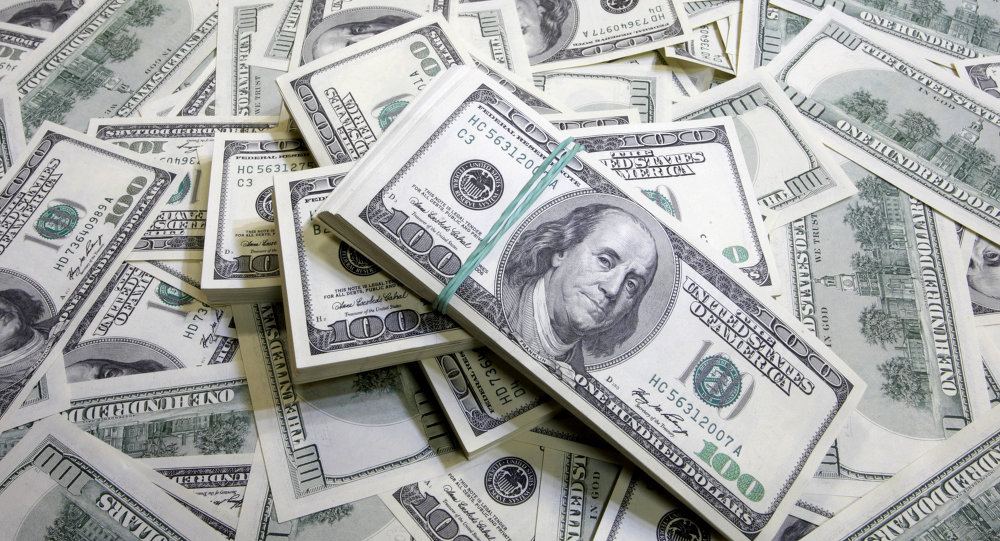
Nigeria’s foreign reserves has reached $41 billion, highest point since December 2021, sparking cautious cheers in Abuja, the seat of government.
To put it simply, foreign reserves are the country’s emergency savings, mostly in dollars, used to pay for imports like fuel, machinery, and food. Hitting this level is a sharp turnaround from late 2024 when reserves crashed to $23 billion, a dangerously low point.
The Central Bank credits higher oil output, better non-oil exports, and new capital inflows for this rebound. On paper, it means Nigeria now has enough to cover about nine and a half months of imports, a big confidence boost for investors and a potential lifeline for the naira.
But while the numbers look good, everyday Nigerians are still battling sky-high inflation of about 30–35per cent, a weak naira (over ₦1,500 to $1), and food prices that refuse to slow down. Unemployment is above 33per cent, and over 40per cent of citizens live in poverty. For them, the “celebration” feels distant, like clapping for a game they’re not allowed to play.
Another worry: part of this rise comes from heavy borrowing. Nigeria’s external debt is now $42 billion, with over $3 billion already spent on repayments this year. It’s like topping up your savings by taking a loan, it looks fine today but creates a hole tomorrow.
Still, if used wisely, these reserves could buy Nigeria breathing space. By investing in agriculture, tech services, and infrastructure, the government could turn today’s fragile recovery into real economic stability.
The big test is whether this $41 billion milestone becomes just another statistic for policymakers or a foundation for easing the struggles of ordinary Nigerians.