Religious leaders and scholars have urged political leaders to listen to the prophecies of spiritual leaders. They also want the church to extend its influence beyond the pulpit into governance, education and social reform.
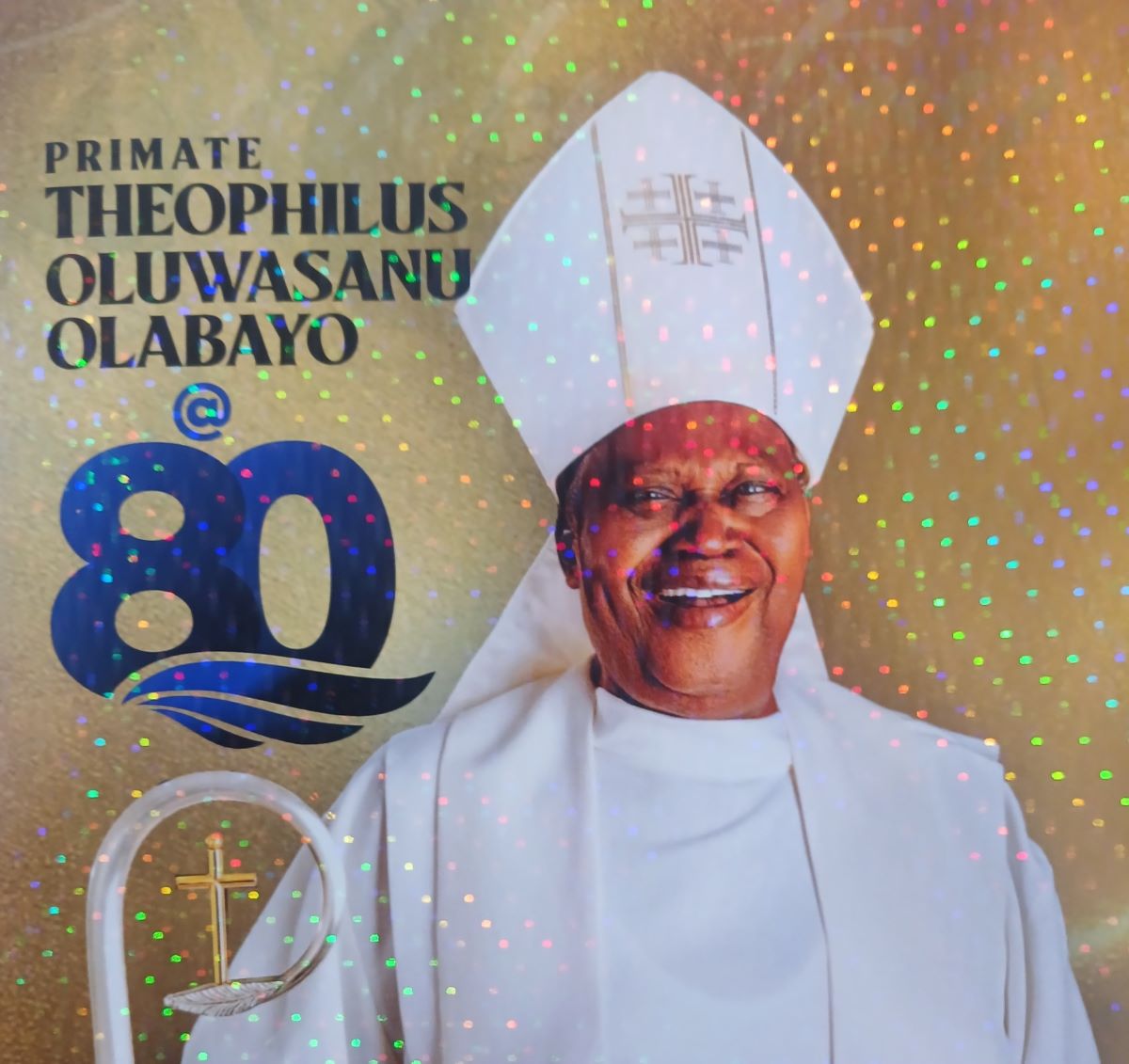
They spoke in Lagos at a colloquium dedicated to celebrate the 80th birthday anniversary of the founder of Evangelical Church of Yahweh Worldwide, Primate (Dr.) Theophilus Oluwasanu Olabayo.
The colloquium which had: “Shaping Prophetic and Spiritual Leadership for Global Impact as theme, examined the role of the church as a “watchman” over society and assessed the role of Christian leaders in Nigeria’s socio-political milieu.
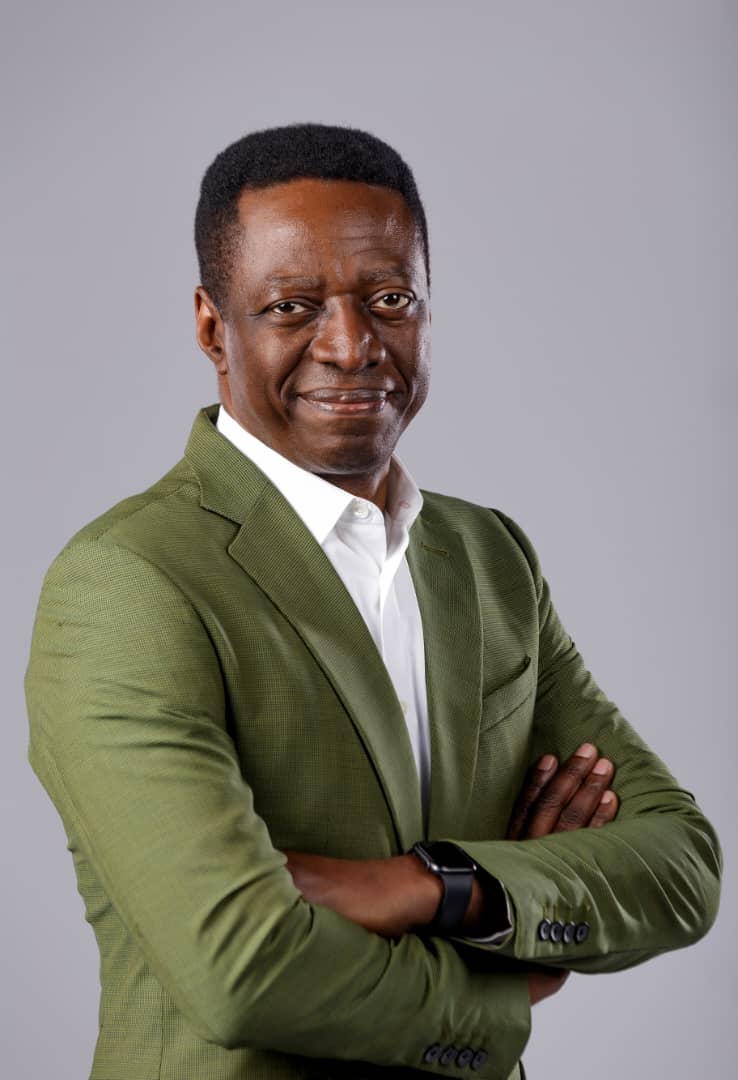
Delivering the keynote, Bishop Theologian of the Anglican Church of Nigeria and Bishop of the Diocese of Ilesa, Osun State, Prof Bishop Dapo Asaju, described the prophetic office as a national responsibility rooted in the scripture.
Drawing from the biblical accounts of prophets such as Samuel and Elisha, Prof Asaju said the watchman’s mandate is to warn, guide and intercede for the nation and urged the church not to embrace silence in times of moral and political uncertainty.
“Prophets are raised for specific generations. Their role is not merely spiritual consolation, but national direction,” he said.
Prof Asaju noted that since establishing the Evangelical Church of Yahweh in 1973, Primate Olabayo’s ministry has consistently addressed political transitions, economic challenges and social tensions in Nigeria.
Also speaking on the occasion, Rector, Crowther Graduate Theological Seminary, Ogun State, Ven Prof Rotimi Williams Omotoye, who provided a historical and academic perspective to the conversation, situated Olabayo’s work within the broader trajectory of African prophetic movements.
Prof Omotoye called for the preservation of such legacies through stronger institutional structures, particularly in education and healthcare. Referencing the enduring influence of Samuel Ajayi Crowther, he said churches that outlive their founders do so by building schools, hospitals and lasting institutions.
“Prophecy must be matched with institution-building,” he said, urging the Evangelical Church of Yahweh to expand its social footprint.
Assistant Chaplain at the Chapel of Christ Our Light and professor at the University of Lagos, Oluwayemisi Obashoro-John examined the theological and sociological dimensions of the church as watchman.
She argued that the church has historically shaped education, reconciliation and civic engagement, but warned that politicisation, partisanship and loss of prophetic clarity threaten its moral authority.
She said: “The watchman must be spiritually alert, courageous and humble. The church must speak truth to power while maintaining integrity.”
In his address, Bishop Theologian of the Anglican Church of Nigeria/Bishop of the Diocese of Ilesha, Osun State, Prof Clement Ishola Ojo highlighted the increasing involvement of male Christian leaders in politics, noting a shift from passive prayer to active participation, including electoral endorsements and public office.
While acknowledging that civic engagement is legitimate, he cautioned against excessive partisanship that could divide congregations and weaken the church’s impartial standing.
“We must reject bigotry, tribalism and politics of bitterness,” he said, calling for holiness, transparency and justice in public engagement.
Speakers unanimously agreed that Nigeria’s persistent challenges — including corruption, insecurity and economic hardship — require a church that is vigilant, ethically grounded and socially responsive.
Tributes were paid to Olabayo’s eight decades of life and ministry while the general consensus was: celebration must give way to responsibility. The church, they said, must move beyond sermons to sustained engagement in education, policy advocacy, peacebuilding and national development.