The Nigerian Communications Commission (NCC) has taken steps to secure businesses, prevent harmful content, fraud, privacy, accountability and the protection of children and other vulnerable users online.
The Commission convened the Internet Governance Symposium that brought together government, industry, the technical community, academia and civil society to discuss how Nigeria’s communications sector can play a stronger role in shaping the internet’s future.
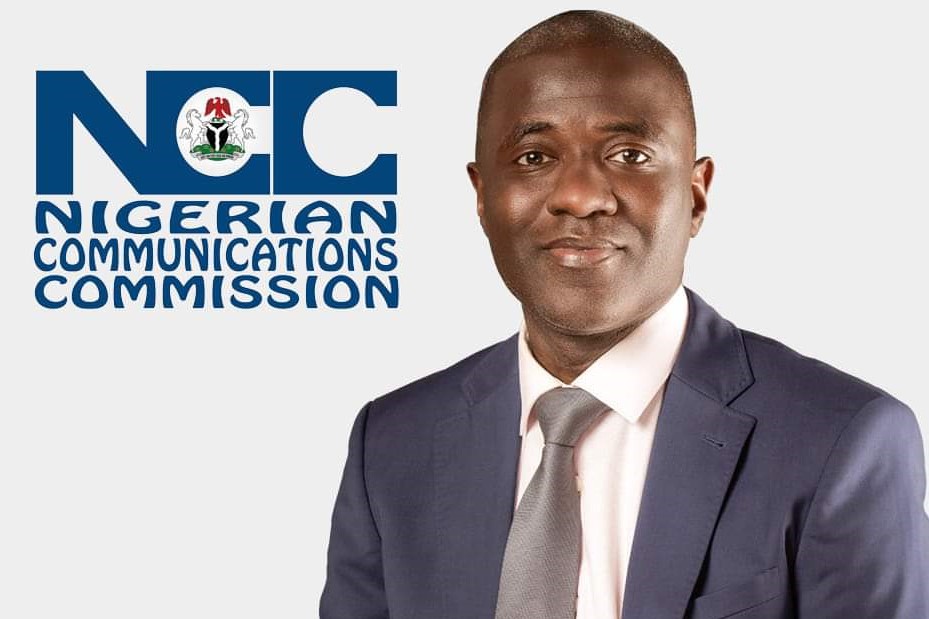
Executive Vice Chairman/CEO, NCC, Dr Aminu Maida who declared the hybrid forum opened in Lagos yesterday, said Internet Governance Forums at national, regional and global levels have shown the value of bringing different voices to one table.
Represented on the occasion by Executive Commissioner, Technical Services at the NCC, Abraham Oshadami, the EVC said: “Decisions about the Internet affect far more than networks: they affect opportunity, trust, security and the rights of the people who use it. Nigeria’s communications sector must therefore contribute its practical experience to these conversations and help turn their outcomes into action at home.
“That responsibility is becoming more urgent. Artificial Intelligence (AI) is changing how people learn, work, communicate and access services. It also creates new questions about harmful content, fraud, privacy, accountability and the protection of children and other vulnerable users. These questions cannot be answered by one institution alone. They require informed dialogue and cooperation across the communications sector and beyond. This afternoon’s session on AI governance will take this discussion further.
“For the Commission, the Internet Code of Practice (ICOP) 2026 provides a framework for promoting a safer and more responsible online environment. Its success will depend on clear expectations, meaningful engagement with affected stakeholders and consistent implementation. At the same time, the Cyber Resilience Framework for the Nigeria Communication Sector (CRF-NCS) calls on us to strengthen the security and resilience of the infrastructure on which digital services depend. Together, these efforts speak to a simple obligation: Nigerians should be able to use the Internet with greater confidence.
According to Dr Maida, the symposium is an opportunity to hear from one another, identify practical priorities and strengthen the communications sector’s contribution to Internet governance.
“It also marks the formal launch of the Internet Governance Working Group (IGWG), which we expect to provide a continuing platform for engagement beyond this event.
“I encourage every participant to speak candidly and constructively. Let us leave here with a clearer understanding of our respective responsibilities and a shared commitment to follow through,” he added.
The IGWG is meant to keep the engagement going after the symposium and give stakeholders a standing channel to contribute and to follow through on agreed priorities
Decisions about how the internet is managed affect businesses, consumers and the services people rely on every day. These decisions cover domain name security, online safety, and the growing use of AI.
They need informed participation and cooperation across stakeholder groups. The symposium links global Internet governance discussions to Nigeria’s priorities and turns them into commitments stakeholders can act on.
A central focus is strengthening private sector participation in Internet governance. The discussions will examine what holds organisations back, what other regulated sectors can learn, and how participation can become more consistent and meaningful.
Results of a stakeholder survey on these issues will be presented.