Nigeria is betting on its Energy Transition Plan (ETP) as a path to net-zero emissions by 2060, prioritizing power, cooking and transport, sectors as focus areas.
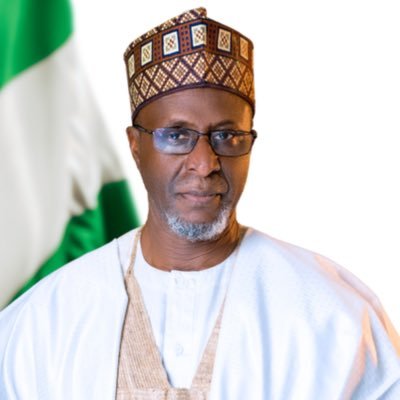
The Minister of Environment Balarabe Abbas Lawal who gave the assurance the ETP will create hundreds of thousands of new jobs by 2030 and beyond.
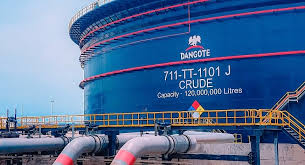
He said gas plays a defined transition role even as the government accelerates renewables and electrification.
He said statutory instrument is the Climate Change Act 2021, which mainstreams climate action across government agencies, including carbon budgeting and a national climate plan whose Act is the legal framework the country’s carbon-pricing and market efforts.
The minister stated this at a meeting with the California – Africa Climate and economic delegations in Abuja, stating that California’s experience and the dynamism of its public-private ecosystem complement Nigeria’s scale, entrepreneurial energy, and the urgent need for solutions that work at home.
Represented by the Permanent Secretary, Ministry of Environment, Adam Mahmud Kambari, the minister said: “In Nigerian’s updated Nationally Determined Contribution (2021), the government is committed to reducing emissions 20per cent below business as usual, by 2030 unconditionally, and 45–47per cent below business as usual, with international support, an ambition we intend to meet through targeted mitigation and adaptation actions with international cooperation.
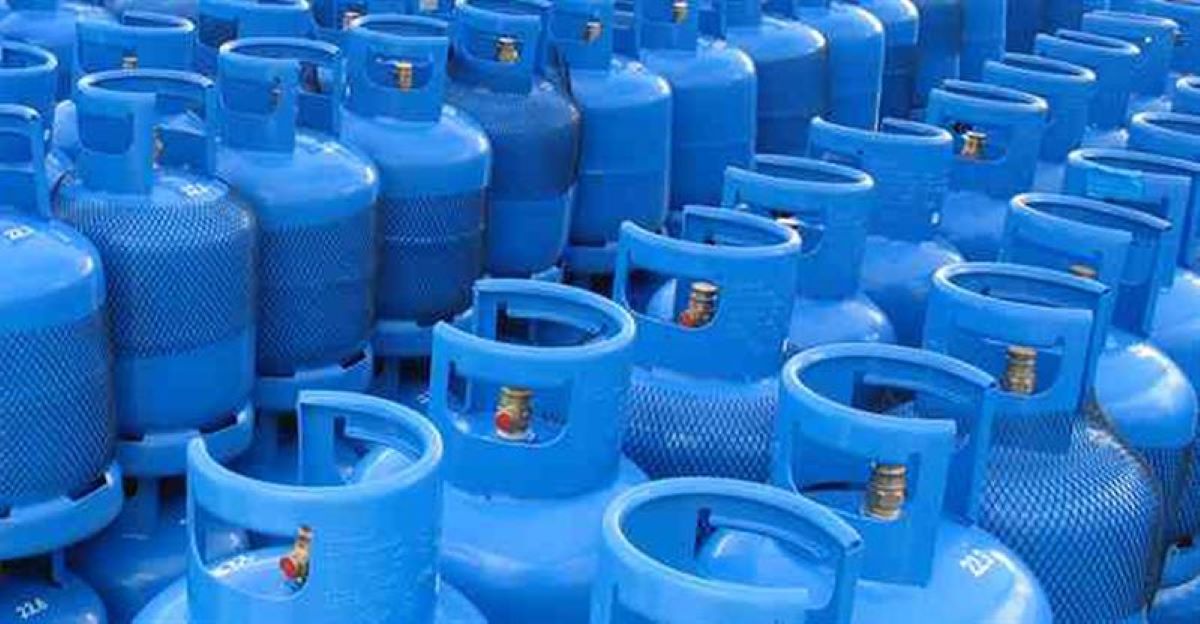
“In transport, President Ahmed Tinubu’s CNG Initiative is scaling a cheaper, cleaner fuel alternative for vehicles and fleets following petrol subsidy removal, complemented by emerging EV (Electric Vehicle) pilots, state oil and private partners are expanding CNG supply infrastructure to lower costs and emissions. We invite California’s technology, fleet, finance and safety expertise to accelerate standards, conversions, and Original Equipment Manufacturer (OEM) assembly partnerships here in Nigeria.
“In power, the Electricity Act 2023 opens grid and market reforms that enables distributed generation and renewable energy integration at federal and state levels—an important platform for investment, wheeling frameworks, and demand-side efficiency and on household energy, Nigeria adopted a National Clean Cooking Policy to vastly expand access to clean and efficient cooking by 2030—an essential climate, health, gender, and deforestation priority—where results-based finance and high-integrity credits can crowd in capital.”
Also speaking, the California Secretary of Transportation, Adetokumbo Orunshaki, said there is need for Africa to partner with California, adding that 50per cent of greenhouse gas emissions comes from the transportation sector. “Industrial pollution and electricity production is part of the reason we seek deeper relationship with Nigeria,” he said.