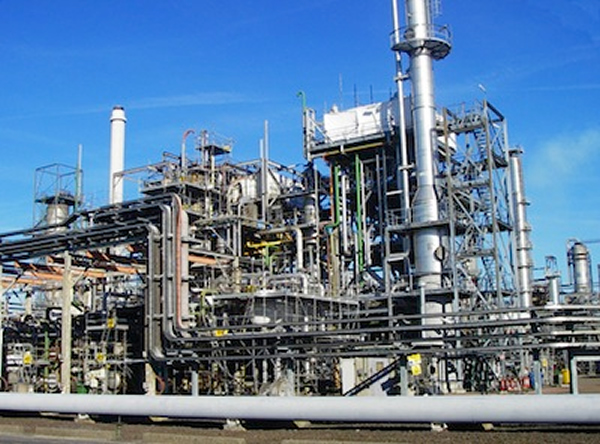
The Nigerian National Petroleum Company (NNPC) Limited said it has signed a Memorandum of Understanding (MoU) with two Chinese entities, Sanjiang Chemical Company Limited and Xingcheng (Fuzhou) Industrial Park Operation and Management Co. Ltd for collaboration through a potential Technical Equity Partnership (TEP) in support of the completion and operation of Port Harcourt and Warri Refineries.
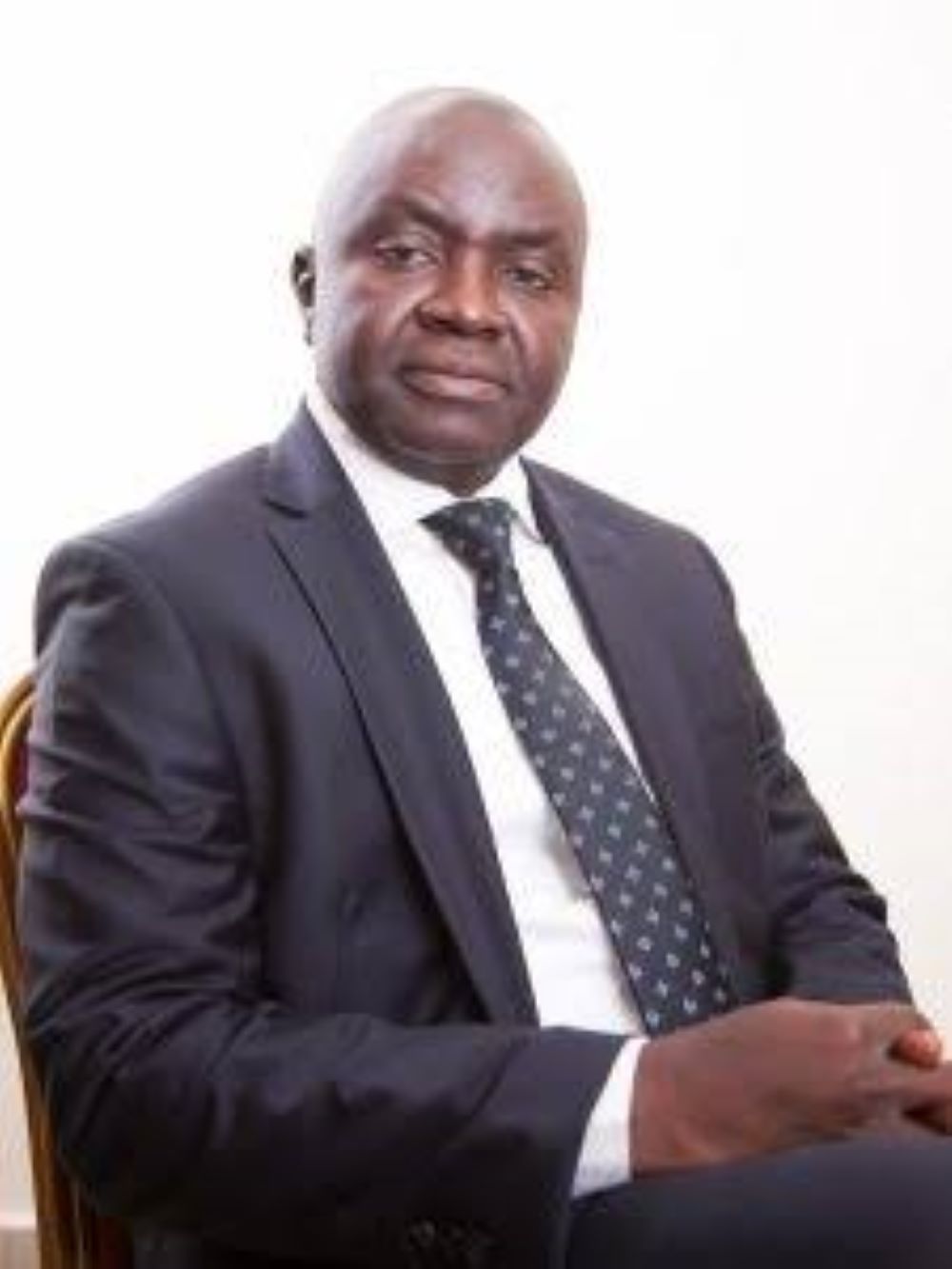
NNPC’s Chief Corporate Communications Officer, Andy Odeh, in a statement, said the MoU was signed by the Group CEO, NNPC Ltd, Engr. Bayo Ojulari; Chairman, Sanjiang Chemical Company, Guan Jianzhong and Chairman of Xinganchen (Fuzhou) Industrial Park Operation and Management Co. Ltd, Bill Bi, in Jiaxing City, China, last week Thursday.
According to the statement, the potential framework would cover completion of outstanding work at the two refineries, together with operating and maintaining both facilities to achieve best-in-class, sustainable performance.
“Planned expansion and upgrades would elevate both facilities to cleaner, more profitable product standards. The potential collaboration also contemplates expanding the refineries’ petrochemical capacities and harnessing gas and downstream opportunities through the development of co-located, gas-based industrial hubs,” the statement said.
Ojulari described the MoU execution as a significant milestone, following more than six months of concerted engagement between the technical and management teams of NNPC and the two Chinese partners, Sanjiang and Xinganchen.
“All parties recognise mutually beneficial opportunities for the development and long-term sustainable profitability of NNPC’s refining assets in Nigeria, and the collective weight required for success,” Ojulari noted.
The GCEO further stated that the MoU is an important step on the journey towards identifying potential technical equity partner(s) to restart and expand NNPC’s refineries, and to explore opportunities in co-located petrochemicals and gas-based industries.
The MoU, he further said, reflects the parties’ shared intent to progress discussions in good faith, with any definitive arrangements to follow in due course and subject to customary approvals.
Reacting to the development, the Executive Secretary, Major Energies Marketers Association of Nigeria (MEMAN) Clement Isong, described the MoU as a positive development for the country’s downstream sector.
“It can only be a good thing for Nigeria. This is a very positive thing. And they will help us towards the full beneficiation of our crude oil in Nigeria. And they will help with local employment. So it ticks all the boxes, and I am very hopeful that things work out as planned,” Isong said.
According to the MEMAN boss, the worst thing is to have an asset that is not in use or productive. Therefore, he argued, the partnership with the firms helps in bringing back the assets (refineries) in which billions of dollars have been tied down back into productivity.
“The MoU hands over the refineries to people who can run it on a professional level, devoid of political decision making. So those refineries should be able to run efficiently and compete, which is extremely important. They will put us on our way to becoming the refining hub of West and Central Africa. It contributes significantly because it solves the three most important problems.
“Those refineries, we have been told, the problem is not that they are not working. The problem is that they are not working efficiently at scale. So, if these guys can run the refineries efficiently, and because they have a stake in the refinery, then you make it run well, isn’t it? So, this is the analysis that they have made.
In a similar vein, the Nigeria Labour Congress (NLC) President, Comrade Joe Ajaero described the development as a “healthy development, we advocated for this in our May Day message.”
Recall that Ojulari had last year revealed that the national refineries have no capacity to operate profitably. He described their operations as a “monumental loss.”
According to him, the cost of producing the fuels from the plants was higher than the value of the products.
But Isong remains hopeful. “I think we should all be hopeful that it works. We want it to work. The refinery is in Nigeria. It is like Nigerian LNG. The partners all have skill in the game. So, I think that this is the same thinking here. And I am very, very hopeful that it will, at the earliest possible date, be central, upgraded, and allowed to run efficiently,” he said.
Courtesy: The Nation