By Admin
No fewer than 78 million subscribers have either received airtime compensations arising from poor quality of service (QoS) or refund for failed airtime and data purchases under a refund framework, the Nigerian Communications Commission (NCC) said in Lagos.
The regulator said while 75 million subscribers have received airtime compensation for poor service so far this year, some three million subscribers have received refunds for failed airtime and data purchases.
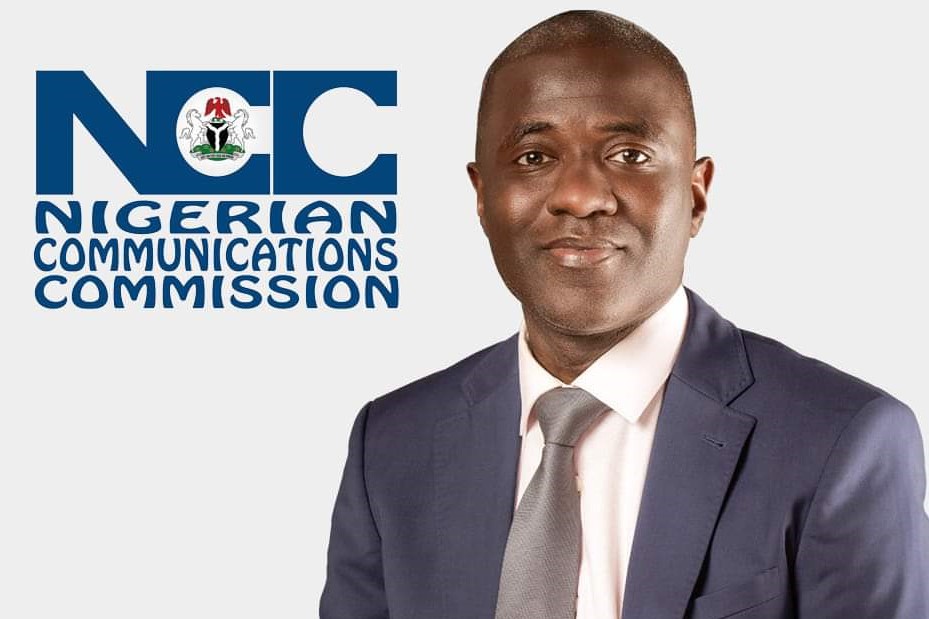
Executive Vice Chairman/CEO of NCC, Dr Aminu Maida, in a keynote entitled: “Enhancing Consumer Experience Strengthening Service Quality and Consumer Protection in Nigeria’s Digital Economy” at the 95TH edition of Telecom Consumer Parliament held at Centre Point, Ikoyi, said for a trader waiting to confirm a customer’s payment, a network failure can mean a lost sale, while a student trying to submit an assignment can miss a deadline because of a slow connection.
“And when you buy airtime or data, see the money leave your account and receive nothing, you should not have to spend days chasing a refund,” he said.
Stressing the importance of accountability, he said: “That accountability includes redress where prescribed service standards are not met. Under our Consumer Compensation Framework, 75 million subscribers have received airtime compensation for poor service so far in 2026, and we will continue to hold operators to account for the quality of service they provide.
“Compensation matters, but it cannot recover a lost business opportunity or an important conversation that could not take place, so our priority remains reducing the failures that make it necessary.
“The same expectation of accountability applies when an airtime or data purchase fails. We have worked with the Central Bank of Nigeria (CBN), telecom operators and financial service providers on a framework for tracing transactions and providing timely refunds, so that consumers are not passed endlessly between their bank and their network operator.
“So far in 2026, nearly 3 million subscribers have received refunds for failed airtime and data purchases under the refund framework, and we must keep working to prevent these failures and resolve them quickly when they occur.”
Dr Maida also spoke on service quality. According to him, dropped calls, slow internet and periods without service continue to disrupt people’s lives, and when households and small businesses are watching every naira, paying for a service that does not work properly is particularly frustrating.
“To address these problems, operators are adding new sites, upgrading older equipment and increasing the capacity of existing networks. The Commission’s records show more than 6,500 network interventions so far in 2026, including upgrades to newer technologies and additional capacity where more people are using the network. Consumers should experience these improvements through more reliable calls and internet connections.
“We therefore monitor performance and require operators to address shortfalls, so that investment translates into better service in the places where you live and work. When major outages occur, operators must also explain what has happened and when service is expected to return.
“To help you make your own informed choice, our public coverage maps on the NCC website provide an independent comparison of networks using crowdsourced performance data from people’s everyday experience. You can use them to compare coverage and performance where you live, work or run your business, and see which network may best meet your needs.
“That progress also depends on protecting the networks we all rely on. Fibre cables are cut during road works, while vandals steal equipment, batteries and fuel from telecom sites. A single incident can interrupt service across several communities, including for businesses far from the damaged site.
“We are working with authorities and operators to protect this infrastructure and improve coordination around road works, but communities can also help by speaking out against vandalism and reporting suspected damage or theft to the police or other appropriate authorities, where safe. Please do not confront vandals or put yourself at risk. As we work together to protect infrastructure, operators remain responsible for maintaining their networks, restoring service promptly and meeting their obligations to consumers,” he said.
He said alongside reliable service, consumers deserve clarity about what they are buying, which is why our tariff simplification measures require operators to make their offers easier to understand.
“You should be able to see the price, the allowance and the validity of a bundle before you pay.
“Our forthcoming usage notification guideline will build on this by giving consumers clearer information about their daily data use and remaining balance, with access to a more detailed breakdown. This should make it easier to keep track of usage and query anything that does not add up.
“These measures also respond to concerns about data finishing sooner than expected.
“Alongside clearer notifications, our consumer education work explains how video quality, automatic updates and apps running in the background can affect data use, while operators must investigate disputed usage fairly and explain their findings clearly,” he said.
He said consumer feedback also helps the Commission to understand where wider changes are needed, adding that the Commission’s Consumer Data Lab brings that evidence together.
“Proposed and funded by the Gates Foundation and developed through our collaboration with Innovations for Poverty Action, the Lab helps us identify recurring problems, understand who is affected and assess whether our interventions are making a difference.
“When someone raises a concern, our response should resolve their problem and help us understand whether others could be affected. Where the same issue keeps recurring, we must examine the cause and work to prevent it.
“A phone number has also become part of our digital identity, used to access financial services, manage pensions and shop online. That creates risks when a number changes hands or is linked to fraud, which the Telecommunications Identity Risk Management System, or TIRMS, is designed to help address.
“Building on our collaboration with the CBN, we intend to extend its use across sectors where phone numbers are used to identify customers and carry out transactions. By helping organisations recognise recycled numbers and numbers flagged for fraud, TIRMS can reduce the risk of someone gaining access to another person’s accounts or services.
“Consumer protection also extends to the devices we buy, because counterfeit and substandard phones can put both our money and our safety at risk. Unsafe batteries and chargers can overheat, cause fires and injure users.
“Our Device Checker supports compliance with NCC’s Type Approval requirements and helps you check a device’s approval and verification status. Before you pay for a phone, dial *315# and follow the prompts, or call 315 for help. Ask the seller to resolve any unsuccessful check before you pay. Please check before you buy,” Dr Maida said.
To subscribers, he said: “If you need help with a service problem, start with your provider and ask for a complaint reference number. If the issue is not satisfactorily resolved, contact NCC on our toll-free line, 622, with that reference and the details of your complaint.”
To the consumer groups, he urged them to continue to bring the experiences of the people they represent, including those who may find it difficult to complain for themselves. “That feedback helps us see where further action is needed to make consumer protection work in practice,” he said.
In her welcome address, Executive Commissioner, Stakeholder Management at the NCC, Rimini Makama, the conversation was organised around three areas including reliable connections; clear billing, no surprises; and every voice heard, no one ignored “When you pay for a service, you should be able to depend on it; you should be able to understand your data usage, your charges and any Value-Added Services on your line, without confusion or unexpected deductions; when you raise a complaint, you deserve to be listened to, treated fairly and helped in good time. That includes consumers who may face additional barriers in accessing services,” she said.