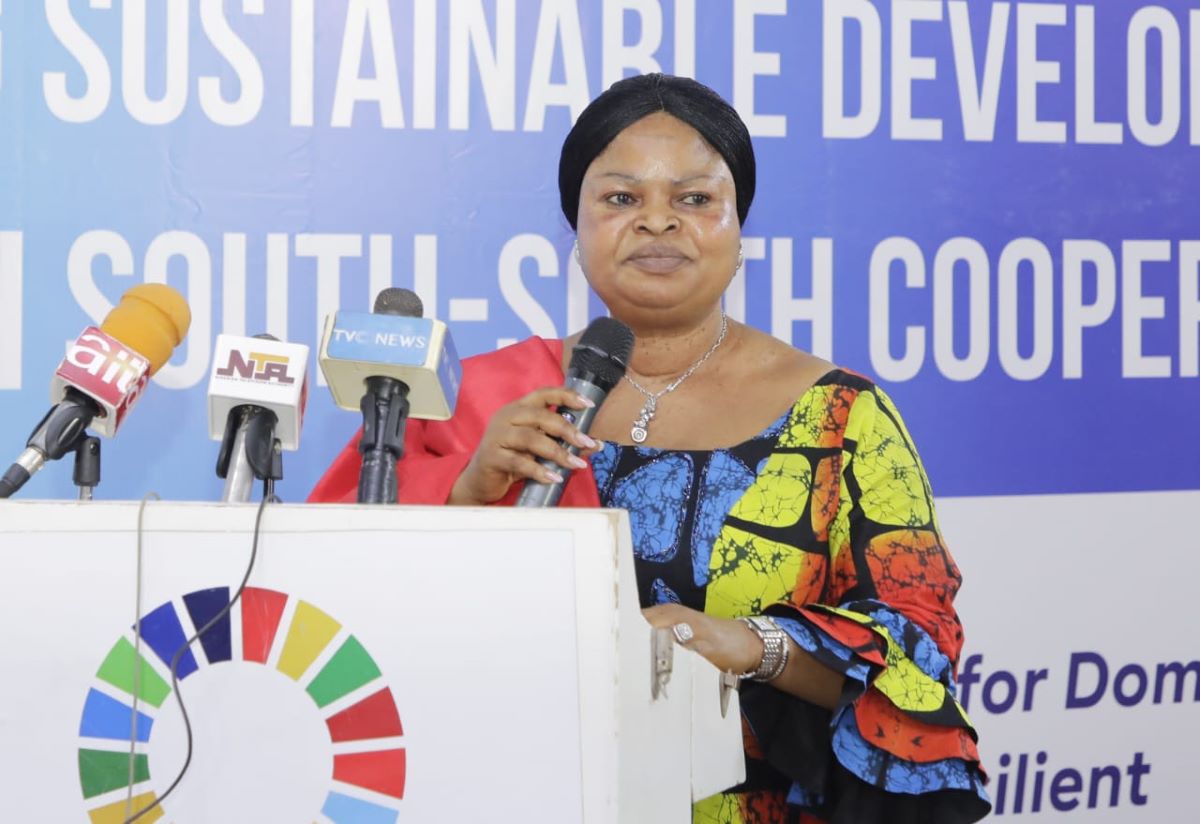
The Nigerian government has warned that the weak revenue generation and institutional capacity at the sub-national level pose a major threat to development outcomes, especially the achievement of the Sustainable Development Goals (SDGs).
The warning was issued at the opening of a High-Level Workshop on Strengthening Fiscal Capacity at the Sub-National Level in Nigeria, held in Abuja under the framework of Nigeria’s Integrated National Financing Framework (INFF).
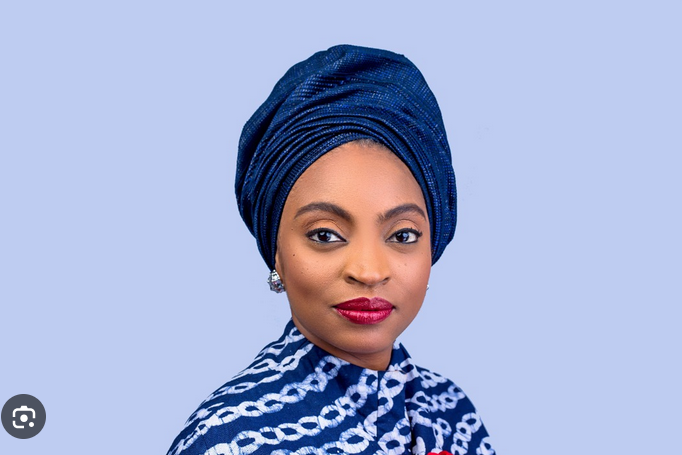
Speaking at the event, the Senior Special Assistant to the President on SDGs, Princess Adejoke Orelope-Adefulire, said state governments shoulder primary responsibility for critical sectors such as healthcare, education, water and sanitation, agriculture, infrastructure and local economic development, yet many lack the financial capacity required to fulfill those obligations.
According to her, the ability of states to mobilise, manage and deploy resources effectively has a direct impact on the welfare and quality of life of millions of Nigerians.
Orelope-Adefulire identified rising expenditure pressures, limited internally generated revenue, widening infrastructure deficits, climate-related challenges and global economic uncertainties as major constraints on state finances.
She stressed that overcoming these challenges would require more than incremental changes, calling instead for innovative solutions, bold reforms and stronger collaboration among key stakeholders.
The presidential aide described the INFF as a strategic platform for aligning public, private, domestic and international financing with Nigeria’s development priorities and the SDGs.
She explained that the framework extends beyond revenue mobilisation to include public financial management reforms, improved expenditure efficiency, innovative financing mechanisms and greater private sector participation.
“Strengthening fiscal capacity at the sub-national level is not merely a technical exercise; it is a strategic imperative,” she said, adding that states must broaden their revenue sources, improve tax administration, strengthen budget systems and create conditions that attract sustainable investment.
Orelope-Adefulire reaffirmed the commitment of her office to supporting development financing initiatives across all tiers of government and pledged continued collaboration with partners to ensure financing strategies translate into measurable improvements in the lives of Nigerians.
In a goodwill message, the United Nations Development Programme (UNDP) Resident Representative in Nigeria, Ms. Elsie Attafuah, echoed the concerns raised by the Presidency, describing weak fiscal capacity at the state level as a development challenge with far-reaching consequences.
She noted that the delivery of SDGs takes place largely within states, cities and communities where schools are built, healthcare services provided, infrastructure projects executed and local economies supported.
According to her, the capacity of sub-national institutions to mobilise and effectively manage resources remains central to job creation, enterprise development and improved public services.
Attafuah also commended ongoing efforts by the Federal Government to strengthen Nigeria’s domestic financing architecture, saying resilient fiscal systems are essential for sustaining long-term economic growth amid tightening global fiscal conditions.
She further highlighted the importance of South-South cooperation, pointing to the participation of a delegation from Ethiopia as evidence of growing collaboration among African countries.
“No single country has all the answers. Yet every country has lessons that can help others move further and faster,” she said, describing knowledge-sharing as one of Africa’s most valuable development assets.
Attafuah urged participants to look beyond revenue generation and focus on how stronger fiscal systems could finance employment opportunities, attract investment, expand opportunities for women and youth, and accelerate progress toward the SDGs.
“The future of development financing in Africa will not be shaped by external resources alone. It will increasingly be shaped by the ability of countries and sub-national governments to mobilise domestic resources, strengthen institutions, unlock investment and learn from one another,” she added.
The workshop attracted executive chairmen of state internal revenue services from the 36 states and the FCT, members of the INFF Core Working Group, representatives of the European Union delegation to Nigeria and other development partners.
The Nation